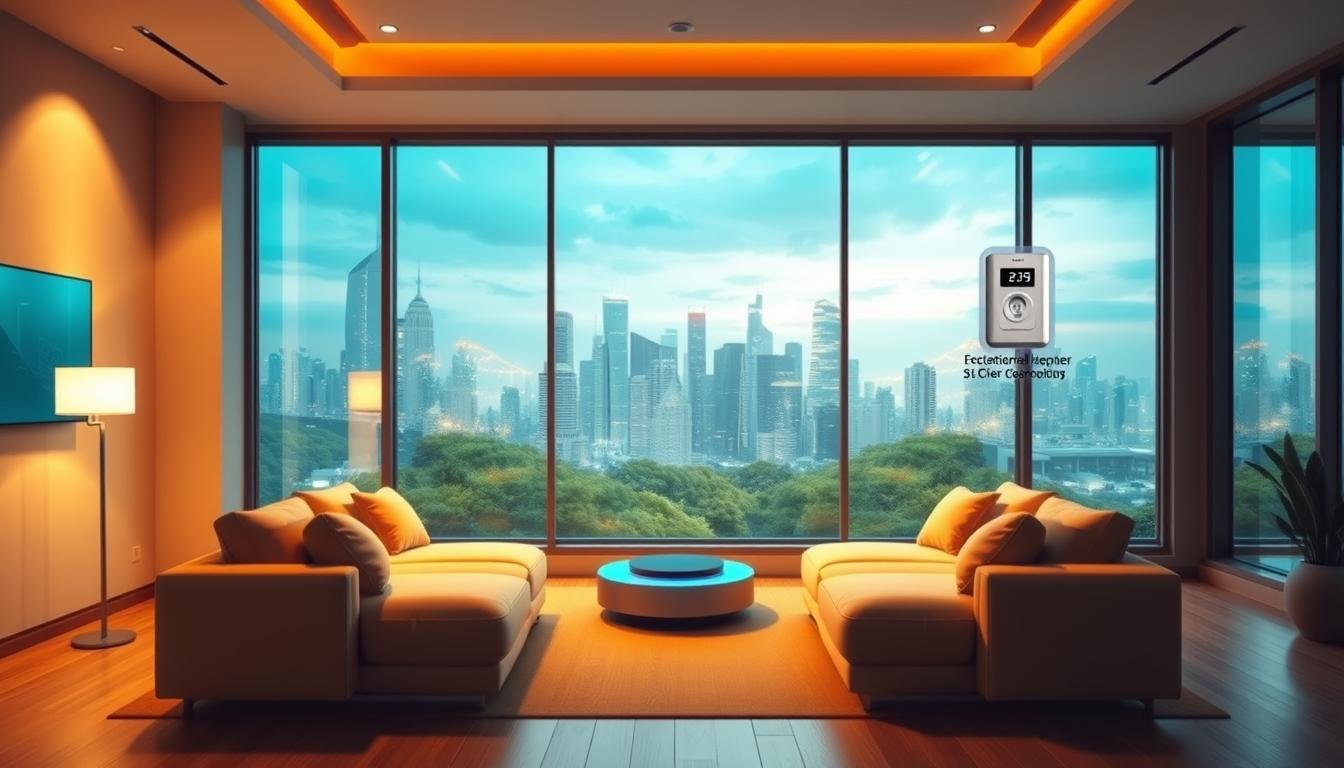
Smart home technology is set to transform our daily lives by making homes smarter, more intuitive, and highly efficient. By anticipating your needs before you even voice them, this technology enhances comfort, security, and convenience in ways previously unimaginable.
The smart home market is booming, projected to expand from $121.59 billion in 2024 to an impressive $633.2 billion by 2032. This explosive growth underscores the massive potential and widespread adoption of smart devices in households worldwide.
Here’s how smart home technology will change lives:
- Enhanced Convenience: Smart devices automate routine tasks such as adjusting lighting, controlling thermostats, or managing appliances through voice commands or smartphone apps. Imagine your home warming up before you arrive or lights turning off automatically when no one is in the room.
- Improved Energy Efficiency: Smart thermostats and lighting adapt to your schedule, reducing unnecessary energy consumption. This not only lowers utility bills but also supports a more sustainable lifestyle.
- Increased Security: Integration of smart locks, cameras, and motion sensors allows homeowners to monitor and control home security remotely, providing peace of mind whether at work or on vacation.
- Health and Accessibility: Smart home tech assists elderly or disabled individuals by automating functions and enabling voice control, improving their independence and quality of life.
- Connected Living: Devices like smart speakers, entertainment systems, and home assistants create a cohesive ecosystem, enhancing entertainment and communication.
Real-world use cases include families monitoring home security from their phones, busy professionals managing lighting and climate remotely, and seniors receiving reminders and emergency alerts through connected devices.
Actionable Insight: To harness these benefits, start by integrating basic smart devices like smart bulbs or thermostats. As familiarity grows, expand your system for a fully interconnected home that adapts to your lifestyle effortlessly.
In summary, understanding how smart home technology will change lives allows you to prepare for a future where your home is not just a space but an intelligent partner in daily living.
Key Takeaways
- Smart home technology is reshaping modern living and increasing household efficiency.
- The market for smart home solutions is growing rapidly, indicating widespread acceptance.
- This technology enhances comfort by automating routine tasks.
- Connected devices create a more organized and integrated home environment.
- Smart home automation benefits users in terms of convenience, safety, and efficiency.
- Expect advances in technology to further transform our living spaces.
The Evolution of Smart Home Technology
Smart home technology has changed a lot over the years. It started with simple things like controlling lights and temperature with timers and remote controls. Now, thanks to new tech, these systems can do much more.
Today, thanks to IoT and AI, our homes are smarter than ever. Devices can talk to each other, making our homes work better together. This means we get more comfort, save energy, and feel safer.
Now, our homes have all sorts of smart gadgets. From smart speakers to automated blinds, they all work together. As tech keeps getting better, our homes will keep getting smarter. This will make our lives better, making our homes safer and more energy-efficient.
Understanding Smart Home Automation Benefits

Smart home automation offers a wide range of benefits that enhance everyday living by simplifying tasks and improving comfort. By automating routine activities such as lighting control, climate regulation, and appliance management, smart homes free up valuable time for homeowners, allowing them to focus on what matters most. For instance, automated lighting systems can adjust brightness based on the time of day or occupancy, while smart thermostats learn your schedule to maintain the perfect temperature effortlessly. These features not only create a more comfortable living environment but also add convenience to daily routines.
One of the standout advantages of smart home technology is its impact on energy efficiency. Smart devices such as plugs, bulbs, and thermostats optimize electricity use by functioning only when needed or at the most efficient times. This targeted use of energy helps reduce unnecessary consumption, leading to lower utility bills and a smaller carbon footprint. In a time when environmental awareness is more critical than ever, smart homes provide a practical way for families to adopt greener lifestyles without sacrificing convenience or comfort.
Understanding the multiple advantages of smart home systems empowers homeowners to make informed decisions when selecting devices for their homes. Integrating smart technology not only enhances day-to-day living by boosting comfort and control but also contributes positively to environmental sustainability. Whether it’s reducing energy waste, improving security, or adding personalized automation, smart home solutions offer tangible benefits for households of all sizes. By embracing these innovations, homeowners can enjoy a smarter, more efficient home while supporting a healthier planet—making smart home automation a win-win for families and the environment alike.
How Smart Home Technology Will Change Lives

Smart homes are changing how we live, making our homes more efficient and enjoyable. With smart devices, we can do things faster and with less effort. For example, smart lights turn on and off by themselves, based on when we’re home or outside.
The future of smart homes looks even brighter, with more personalization and connection. We’ll be able to control our homes with just our voice, making life easier. This means we can spend more time with family and doing things we love, not stuck inside doing chores.
Smart homes also make our homes healthier and safer. They can check the air quality and warn us about pollutants. Plus, they keep an eye on our homes when we’re not there, giving us peace of mind.
“Smart home technology is not just about convenience; it fundamentally enhances our living experiences.”
As smart home tech gets better, our lives will too. These systems help us make our homes better, leading to a future where our homes are comfortable, safe, and healthy all the time.
Connected Home Devices and Their Impact

Connected home devices are transforming the way we live by bringing greater convenience and efficiency into our daily routines. Understanding how these devices operate and their benefits is essential to fully harness their potential and improve home life.
Overview of Popular Connected Devices
Among the most popular connected devices today are smart thermostats, security cameras, and smart lighting systems. Take, for example, the Ecobee thermostat—it allows you to control and monitor your home’s temperature remotely from your smartphone, helping you save energy while maintaining optimal comfort. Similarly, the Ring video doorbell enhances home security by sending real-time alerts and live video feeds when visitors arrive. These innovative devices empower homeowners to better manage their homes, making everyday life simpler, safer, and more convenient.
Integration of IoT in Everyday Life
The Internet of Things (IoT) plays a vital role in the connected home, linking devices into a seamless network that continuously learns and adapts to your habits. This interconnected system enables smart devices to communicate with each other—for instance, lights automatically turning on as you enter a room. Such intelligent automation makes homes more responsive and personalized, fundamentally changing how we interact with our living spaces. By integrating IoT technology, our homes become smarter, more adaptive, and significantly more useful in meeting our lifestyle needs.
| Device Type | Functionality | Benefits |
|---|---|---|
| Smart Thermostat | Remote temperature control | Energy efficiency, comfort |
| Security Camera | Home monitoring | Enhanced security, peace of mind |
| Smart Lighting | Automated lighting control | Convenience, energy savings |
The Role of AI in Smart Home Applications

AI in smart homes changes how we live every day. It uses smart algorithms and learning to make our homes better. This makes life easier and more fun at home.
AI-Driven Systems Enhancing Daily Comfort
AI systems learn what we like and do, making our homes just right for us. For example, smart thermostats like Nest adjust the temperature for us. And lights, like Philips Hue, change color and brightness based on the time.
This tech keeps our homes comfy, no matter what we’re doing. It’s all about making our lives better.
Personalization of Home Environments
AI makes our homes feel like they’re made just for us. It figures out what we need and does it for us. Like turning off lights and heating when it’s time for bed.
This smart tech makes our homes a perfect place to relax. It shows how AI can really improve our lives.
| Feature | Traditional Systems | AI-Driven Systems |
|---|---|---|
| Adaptability | Limited user input | Automated, learns from behavior |
| Energy Efficiency | Manual adjustments | Optimizes usage based on patterns |
| User Interaction | Basic controls | Voice commands and mobile control |
| Comfort Level | Static settings | Dynamic changes for ideal conditions |
Health Monitoring and Wellness in Smart Homes
Health monitoring in smart homes is changing how we take care of ourselves. It combines modern tech with our daily lives. Wellness technology helps improve our physical and mental health with solutions made just for us.
Wearable devices are a big part of this change. They give us real-time health info. This lets us see how we’re doing right away.
Integration of Wearable Devices
Wearable tech like fitness trackers and smartwatches help us keep an eye on our health. They connect to our smart homes, making health tracking easier. For instance, they show us how much we exercise, sleep, and our heart rate.
This info helps us make better choices about our health and lifestyle. It’s all about making informed decisions for our well-being.
Air Quality and Environmental Sensors
Advanced air quality and environmental sensors also play a key role. They find pollutants and allergens, improving our indoor air. This helps make our homes healthier places to live.
By using these sensors with wearable tech, we get a complete view of our health. It shows how our environment affects our well-being. This connection is important for our overall health.
Enhanced Security Features in Smart Homes
Smart homes now offer better security thanks to new technology. Homeowners can protect their homes more effectively. The latest home security systems have features for different needs.
Biometric and Remote Monitoring Solutions
Biometric security, like fingerprint and facial recognition, is a big step up. It lets homeowners control who enters their homes. This keeps unwanted visitors out and lets friends in easily.
Remote monitoring is key in today’s security systems. Homeowners can watch their homes on their phones. They get alerts for anything unusual, helping them stay safe.
Home Security Systems Integration with Local Authorities
Linking home security with local authorities makes homes safer. Alerts are sent to police or fire quickly in emergencies. This quick communication helps keep homes safe.
Benefits of Smart Home Systems for Energy Management
Smart home systems bring big benefits, especially for managing energy. They let homeowners keep an eye on and control their energy use. This leads to savings in money and helps the environment.
Automated Energy Use Tracking
Smart home tech uses advanced energy management solutions. It tracks energy use automatically. Devices like smart thermostats and energy-saving appliances give real-time data.
Homeowners can make smart choices about energy use. This cuts down on waste and lowers bills. For example, smart thermostats adjust heating and cooling based on schedules and preferences. This boosts energy savings.
Integration with Renewable Energy Sources
Renewable energy integration is a key feature of smart home systems. It connects devices to sources like solar panels. This lets homeowners manage energy generation and use.
This partnership boosts energy efficiency and supports green goals. Homeowners use their own energy, cutting down on grid use. It’s a step towards a more sustainable future, showing tech’s role in green energy.
| Feature | Benefits |
|---|---|
| Automated Tracking | Real-time monitoring of energy use and savings on bills |
| Smart Thermostats | Optimization of heating/cooling for efficiency |
| Renewable Integration | Connection to solar panels for reduced grid dependence |
| Energy-efficient Appliances | Lower energy consumption and environmental impact |
Conclusion
Smart home technology is changing how we live in our homes. As we keep improving these systems, the future looks very promising. Companies are working hard to make these devices easier to use for everyone.
Smart homes make our lives better in many ways. They use AI and IoT to offer convenience, efficiency, and safety. These features help us live more comfortably, whether we’re working, relaxing, or sleeping.
Looking ahead, smart homes will make our lives even better. They will help us save energy and live more sustainably. These technologies will make our homes more connected and eco-friendly, improving our overall quality of life.